Training Boxing Glove
Mouth Guard For Adults
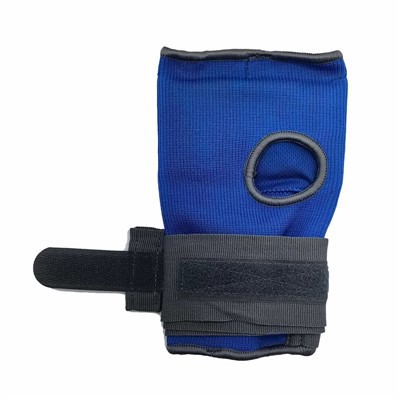
Gel Hand Wraps
Elastic Hand Wraps
Boxing Round Pad
Boxing Groin Guard
Boxing Helmet
Punch Paddles
Round Boxing Shield
Striking Stick
Curved Punch Mitts

Boxing helmet is a padded helmet, worn on the head by contestants in amateur and olympic boxing. It effectively protects against cuts, scrapes, and swelling, but it does not protect very well against concussions. It will not protect the brain from the jarring that occurs when the head is struck. Also, most boxers aim for the chin on opponents, and the chin is usually not protected by headgear.
Material
High-quality materials are the backbone of effective boxing headgear &boxing gloves. Modern headgear often incorporates a combination of leather, synthetic materials, and specialized padding to provide optimal protection without compromising comfort.
01
Padding
The padding in boxing headgear serves a dual purpose – protection and comfort. Multi-layered foam padding, strategically placed around vulnerable areas like the forehead, cheeks, and ears, ensures that impact is absorbed and distributed evenly, reducing the risk of cuts and bruises.
02
Closure system
A secure and adjustable closure system is crucial for a snug fit. Most headgear features hook-and-loop closures or laces that allow for customization to individual head shapes and sizes, ensuring a secure and comfortable fit during training or sparring sessions.
03
Ventilation
Intense physical activity generates heat, and without proper ventilation, headgear can become uncomfortable. Many modern designs incorporate breathable materials and ventilation channels to promote air circulation, keeping the boxer cool and focused.
04
At its core, a boxing helmet distributes the force generated by the impact. It protect the structures of the head, cushioning the blow and preserving the well-being of the boxer. To achieve this feat, boxing helmets typically comprise several key components, each playing a vital role in safeguarding the boxer's skull.
The outer layer of a boxing helmet is often constructed using high-density foam or synthetic materials with exceptional shock-absorbing properties. These materials used in boxing helmets possess the remarkable ability to compress upon impact, elongating the time over which the force is applied. By prolonging the duration of impact, the boxing helmet diminishes the peak force exerted on the head, effectively reducing the risk of injury. It's akin to the gentle deceleration of a car during a controlled stop, where the time taken to come to a complete halt lessens the intensity of the impact.
Beneath the protective exterior lies a network of innovative technologies designed to maximize safety. Many modern boxing helmets incorporate advanced padding systems strategically placed at key impact zones. These padding systems, often consisting of multiple layers of foam with varying densities, work harmoniously to absorb and disperse the force generated by a blow. Similar to a meticulously arranged fortress, they fortify the critical areas most susceptible to injury, such as the temples and the front of the head.
Boxing helmets employ a snug fit to enhance their protective capabilities. By conforming closely to the contours of the boxer's head, they reduce the risk of rotational or lateral movement during impact. This stabilization mechanism helps minimize the potential for brain acceleration and subsequent traumatic injuries.
There are three main types of boxing helmet, each providing slightly different coverage.
Open face headgear
Provides the most visibility and breathability of the three but more limited protection, which makes this option better for training.
Full-face headgear
Offers maximum face protection, covering the forehead and cheeks. Beginners or those prone to facial injuries searching for boxing helmet with nose bar protection, this is your best bet.
Mexican style headgear
Delivers a hybrid of the first two options with full cheek coverage but open at the top.
Protection: One of the essential benefits of using boxing helmets is their strong ability to protect the head and face from cuts, injuries, and fractures. The outer layer of boxing helmets, often made of high-density foam, acts as a shock absorber, distributing the impact force and minimizing the likelihood of injury. It creates a barrier between the boxer's head and remarkably reduces the risk of facial fractures, such as broken noses or cheekbones.
Reduction of soft tissue injuries: Boxing helmets with cheek protectors play a vital role in protecting delicate soft tissues. Additional padding covers the cheeks and jaw, reducing the chance of injuries to the cheeks, jawline, and ears. Speed force boxing holds a potential value; searching for the best boxing headgear for sparring can lead to injuries by absorbing the force of impacts. Headguards help to minimize the risk of swelling and other soft tissue injuries that may occur during matches.
Depletion of the risk of concussion: Concussions are a major concern in sports like boxing, they have long-term outcomes on a boxer's health, and boxing helmets prefer to reduce the risk of concussion by diffusing and exhausting the implied force applied to the head.
Boxing is inherently physically demanding, but experts say that the sport is generally safe and that the risk for serious injury exists just as much in sports like hockey, cycling and racing as it does in boxing. In any sport, finding the right protective equipment is all part of the process. Just as you protect your hands with boxing gloves, you need to guard your head, skull and teeth from impact so you can fight safely and focus on your ultimate goal: Beating your opponent.
When you wear proper protective gear, you significantly reduce your likelihood of injury — plain and simple. Most boxing boxing helmet are designed to cradle and cushion the most sensitive areas of the head, primarily the skull. The best boxing boxing helmet, like our master's competition boxing helmet, will have thick padding surrounding the head and cheeks, leaving only exposed areas for the eyes, mouth and ears. Be sure to choose boxing boxing helmet that protects the nose without limiting airflow.


Punch paddles are handheld pads used to improve punching accuracy, speed, and agility. They originated from traditional martial arts training but have since evolved to be a versatile tool used in various sports and fitness routines.
Improved Accuracy
Punch paddles help fighters and fitness enthusiasts improve their punching accuracy. By providing a small target, they encourage precise strikes, which translates to better performance in actual combat situations or boxing matches.
Enhanced Speed and Agility
Regular use of punch paddles can significantly enhance your speed and agility. The quick movements required to hit the paddles improve your reflexes and overall quickness.
Better Coordination
Using punch paddles requires a high level of coordination between the hands and eyes. This training helps improve your overall coordination, making you a more effective and efficient fighter.
Versatile Training Tool
Punch paddles are incredibly versatile. They can be used for a variety of drills and exercises, making them suitable for different sports and fitness goals.
As the popularity of punch paddles surges, so does the variety available in the market.

Material and durability
The best punch paddles are crafted from high-quality materials. Whether it's genuine leather or synthetic alternatives, the material plays a pivotal role in the paddle's durability and shock absorption capabilities.
Ergonomics and design
A good punch paddle isn't just about the material; it's also about the design. Ergonomically designed paddles ensure that the trainer can hold them comfortably for extended periods, reducing the risk of fatigue or injury.

Feedback and responsiveness
The sound a paddle makes upon impact can provide instant feedback. Paddles that offer a crisp sound when struck correctly can be invaluable training tools, helping boxers refine their boxing techniques.
What Is Training Boxing Glove
Training boxing gloves refer to boxing gloves suitable for everyday use in the gym for standard mitt/pad work, heavy bag training and partner drills. They are designed to provide the optimal balance between protection and performance. Training boxing gloves usually feature hook-and-loop closure so they can be worn or removed easily.
How Many Ounces Should Training Boxing Gloves Be
The ideal weight of your training boxing gloves depends on your size and on the type of boxing you intend to do. Men and women should choose their training boxing gloves oz based on weight class, not gender or sex. Here is some basic sizing information based on boxer weight class:
Under 100 lbs (including children): 6-8 oz training boxing gloves
100-125 lbs: 10 oz training boxing gloves
125-150 lbs: 12 oz training boxing gloves
150-175 lbs: 14 oz training boxing gloves
175+ lbs: 16 oz training boxing gloves
In a spar or fight, boxers should go up one size (2 ounces) to ensure safety and comfort while boxing. For a good versatile all-around glove size, or if you're not sure whether you will be fighting or just working out on a punching bag, choose a 12 or 14 ounce glove to get started.
You can also choose a glove size based on your training goals. Since a heavier glove weighs more, it requires more effort to lift your hands and punch the bag. If you are working on strengthening your muscles and building endurance, try sizing up to train with a heavier glove. If you are working on building speed, try sizing down to increase your output. Professional boxers have several pairs of training boxing gloves, and change glove size based on their goals.
As one of the leading boxing equipment manufacturers and suppliers in China, we warmly welcome you to buy bulk boxing equipment made in China here from our factory. All customized products are with high quality and competitive price.
(0/10)



